
Second-life energy storage · Sydney, Australia
The vehicle may be written off
but the battery need not be.
Upcycle Energy builds battery energy storage systems from EV packs recovered at the start of their service life — typically mid-to-high 90% State of Health. More than a dozen trial systems are safely and reliably running in the field today, from 10 kWh in a garage to containerised backup for critical industrial sites.
- The problem
- No viable domestic recycling route for EV traction packs
- The waste
- Packs retired at 95%+ SoH because the vehicle around them failed
- The use
- Static storage asks a fraction of what a vehicle asks of a cell
Why second-life
A statutory write-off is a vehicle problem, not a battery problem.
Most packs we recover come out of vehicles damaged in a collision. The pack itself is usually untouched — it has done two years and a modest number of cycles, and its own battery management system reports a State of Health in the mid-to-high nineties. In Australia there is no commercially viable recycling pathway for that pack today, and its materials are not benign in landfill.
A static storage system is a far gentler duty cycle than a car: no fast charging under load, no vibration, no thermal shock, no weight constraint, and charge and discharge rates around 0.1C rather than the 3C-plus a performance EV demands. Cells with plenty of service left are exactly what a stationary system wants — and sourcing them second-hand is what makes the finished system affordable.
We treat every pack as a component with a documented history, not as scrap. Each one is graded, tested and entered into a provenance record before it goes anywhere near a customer site.

What we build
Four products, one battery platform.
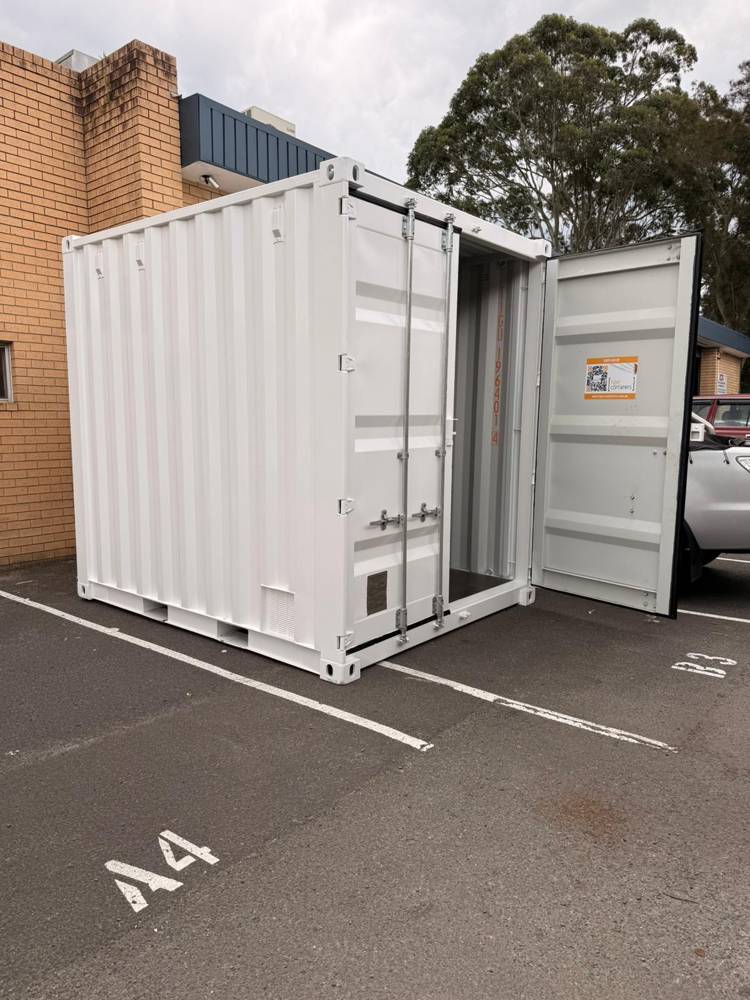
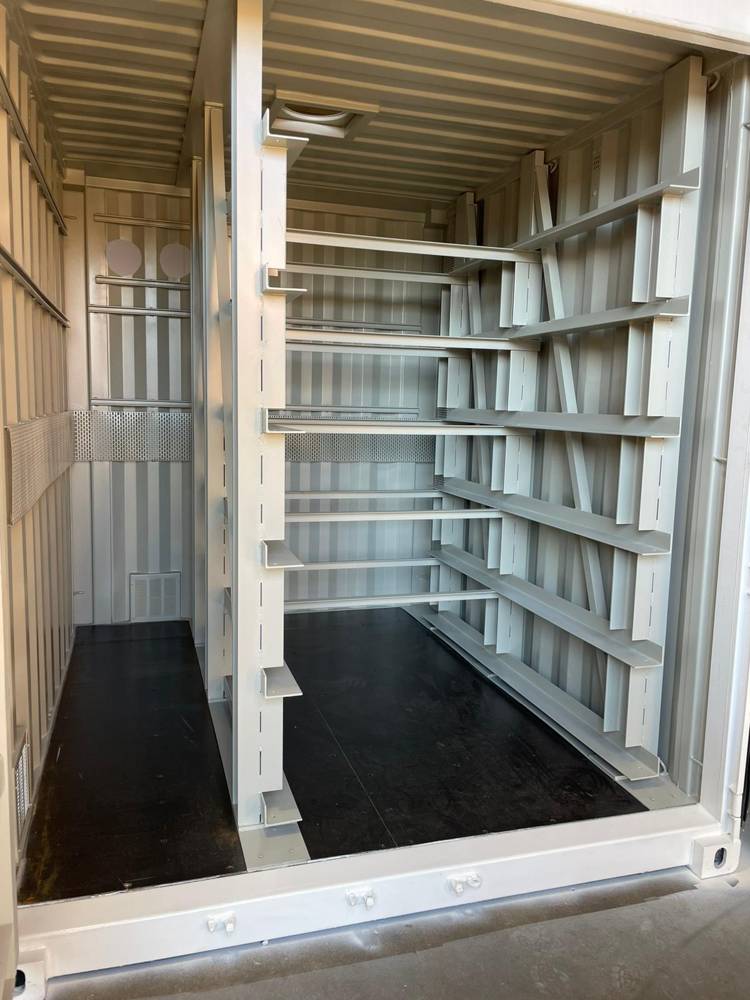
BPaaS Pod
Up to six full EV packs and grid-compliant power conversion equipment in a 10ft high-cube container. Permanent or relocatable backup power for mobile network sites and other mission-critical industrial loads.
Up to 450 kWh · behind the meter · multi-tenant
Transportable power unit
A trailer-mounted battery plant towed to wherever the power is needed. Silent, emission-free at the point of use, and uninterruptible — for events, worksites and remote or temporary sites where a generator is the wrong answer.
Up to 160 kWh · 60 kW · 3-phase
Commercial & residential BESS
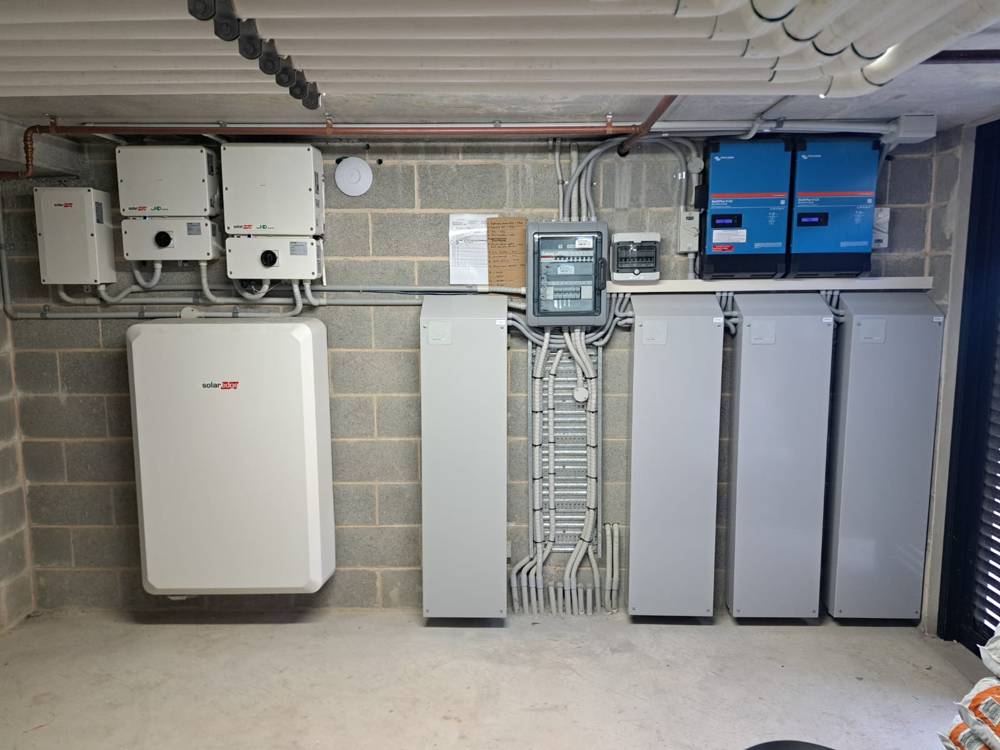
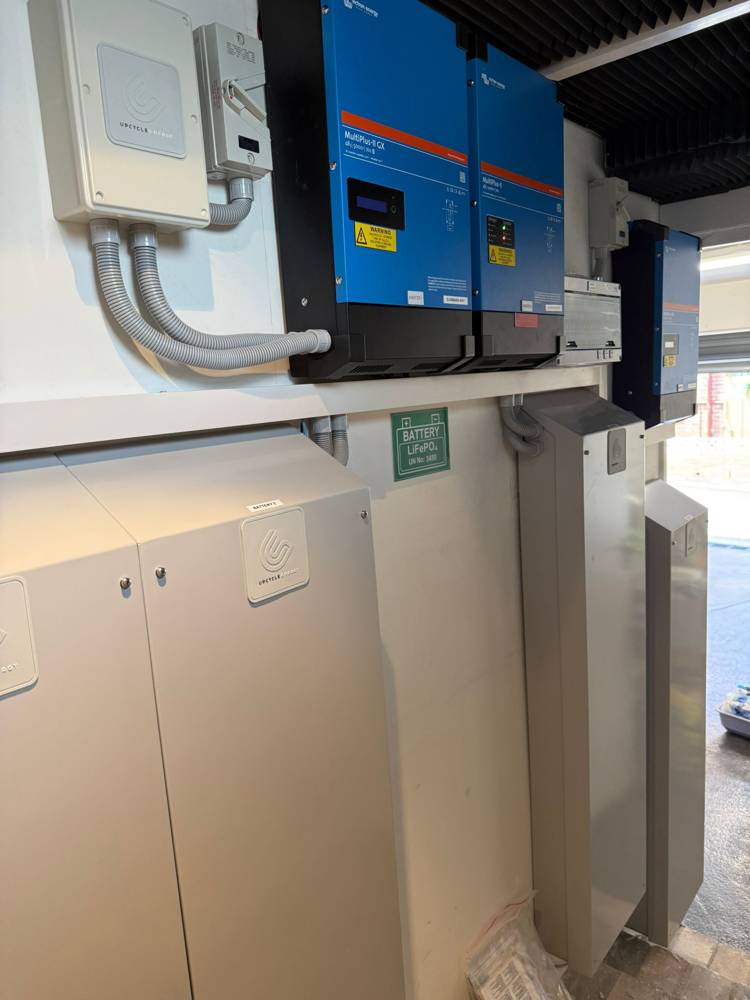
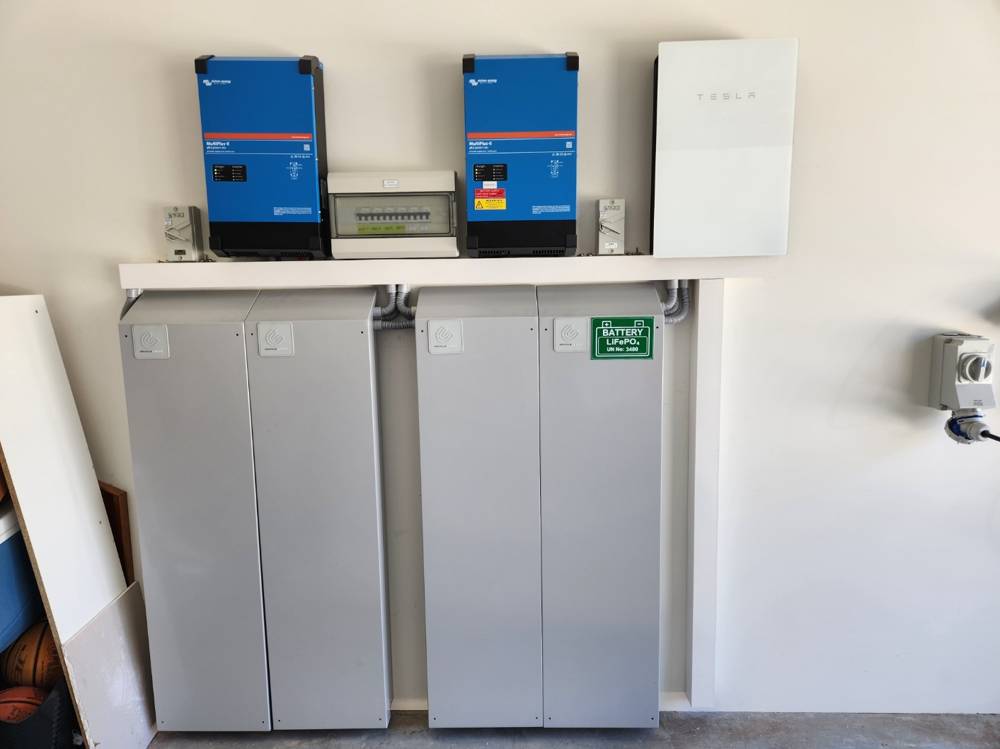
Cabinet-mounted systems from 10 kWh, expanding in 10 kWh steps, paired with Clean Energy Council registered inverters. Retrofits to existing solar — and, uniquely, alongside an existing battery.
10–80 kWh deployed · 14 in service
Energy monitoring & analytics
Class A per-tenant metering at 2-second granularity, with load decomposition, demand modelling and peak-shaving analysis. Deployed today on live multi-tenant infrastructure sites.
±1% accuracy · NILM · dashboards
- Capability
- Cooperative multi-battery control
- Proven at
- Fairlight NSW, Freshwater NSW
- Effect
- Capacity added without replacing what is already there
Something no one else does
We can add storage next to the battery you already own.
Two batteries on one site normally fight each other. Each one sees the other's charging as household load, and the result is circulating energy, wasted cycles and a control loop that never settles.
Upcycle systems run a control algorithm that makes the new battery cooperate with the incumbent rather than compete with it. The existing system keeps doing its job untouched; ours works around it, safely expanding total capacity without conflict, and without asking the customer to write off the asset they already paid for.
Two of the installations below prove it in service — one running alongside a SolarEdge battery, one alongside a Tesla Powerwall.
- Battery safety
- IEC 62619:2022
- Installation
- AS/NZS 5139, AS/NZS 3000:2018
- Inverter
- AS/NZS 4777.1 / 4777.2
- Transport
- ADG Code Ed. 7.9 · UN 3480 / UN 3536
Working with us
Regulatory and Standards Compliance are table stakes for us at Upcycle Energy
Second-life is a novel input, but it does not have to mean a novel approval path. We use registered power conversion equipment, licensed electrical contractors, and the same Australian standards your other suppliers work to. Every pack carries a provenance record, every system is designed and constructed against a documented standards list, and every deployment is instrumented from day one.
The fleet that got us here is a friendly-user fleet — people who backed second-life storage before it had a track record, who like that a problem gets solved by building something rather than by buying something, and who have given us two years of candid feedback and continuous operating data in return.